
Air sealing gets pitched constantly by home service companies, and it's fair to wonder if it's a real fix or just another upsell. Here's the honest answer: air sealing is one of the most cost-effective upgrades you can make to a home, but its actual value depends heavily on how leaky your house is and where those leaks hide.
This article breaks down what air sealing actually does, whether the numbers support the investment, and how to figure out what your specific home needs before you spend a dollar.
Key Takeaways
- Air sealing typically cuts HVAC energy use by up to 15%, often paying for itself within a few years
- Drafts, uneven temperatures, and high bills are the clearest signs your home needs sealing
- Ductwork alone can waste 20-30% of conditioned air if left unsealed
- Sealing should happen before or alongside insulation upgrades, not after
- Over-sealing without proper ventilation planning can trap moisture, so a professional assessment matters
What Is Air Sealing?
Air sealing means finding and closing the gaps, cracks, and holes in your home's building envelope (and ductwork) that let conditioned air leak out and outside air sneak in. It's not insulation. It's not new windows. It's the process of plugging the literal holes that undermine everything else.
Most homes leak air through a predictable set of locations:
- Attic — top plates, recessed lighting, attic hatches
- Basement or crawlspace — sill plates, foundation cracks
- Windows and doors — worn weatherstripping, gaps around frames
- Wall and floor penetrations — plumbing stacks, electrical wiring, dryer vents
- Ductwork — loose connections, unsealed boots
According to the Department of Energy's guide to air sealing, air leaks can account for 25% to 40% of the energy used for heating and cooling a typical home. That's not a small crack here or there — it's a real, measurable drain on your Utah utility bill.
Contractors typically use caulk for small gaps, weatherstripping for movable parts like doors, and spray foam for larger or irregular openings. Which material goes where matters, and that's where the cost-benefit picture gets more interesting.
Is Air Sealing Worth It? Breaking Down the Cost vs. Savings
For most homes, especially older or drafty ones, air sealing is worth it. Simple as that.
When your HVAC system isn't fighting a constant stream of outside air leaking in, it doesn't have to work as hard. That means less wear on your equipment and lower monthly bills.
The Numbers Behind the Savings
According to ENERGY STAR's methodology for estimated energy savings, sealing and insulating a home can reduce HVAC energy use by up to 15%. Weatherization programs have documented average savings of $264 per year per household, based on retrospective evaluation data from Oak Ridge National Laboratory.
That might not sound dramatic on paper, but compare it to the upfront cost. Air sealing runs far cheaper than a roof replacement or an HVAC swap, and most projects pay for themselves within a few years through lower utility bills alone.
Beyond the Dollar Signs
The financial payback is real, but it's not the whole story. Homeowners who seal their homes typically notice:
- Fewer drafts near windows, doors, and outlets
- More consistent temperatures room to room
- Reduced entry of outdoor allergens, dust, and pollutants
When it's not worth prioritizing: If your home is already fairly tight, additional sealing has diminishing returns. Sealing a home too aggressively without a ventilation plan can also trap moisture and pollutants indoors, creating a different problem entirely.
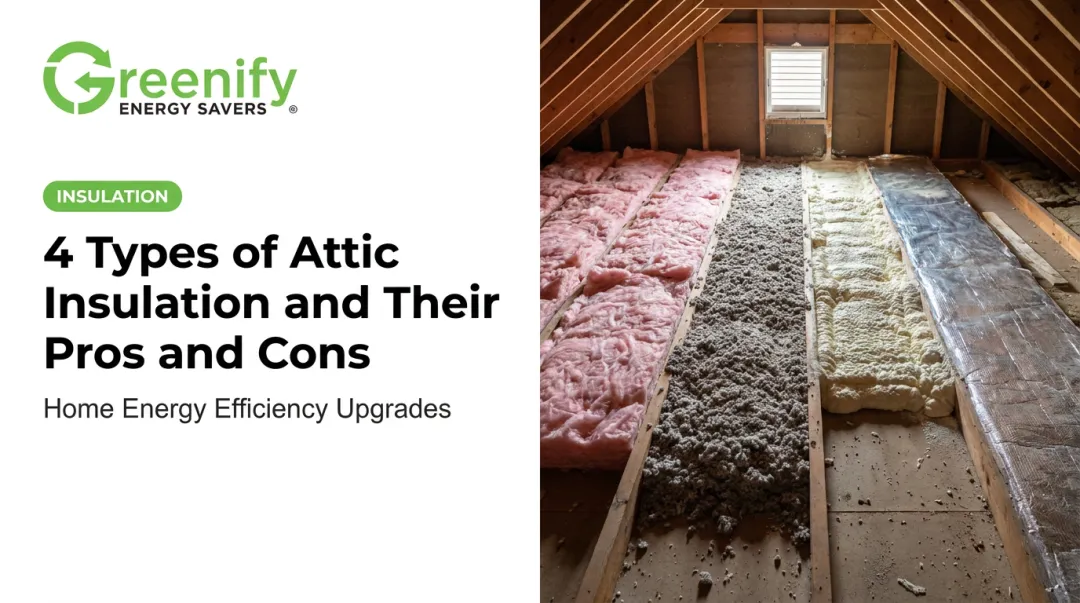
This is exactly why a professional assessment matters before you start caulking everything in sight. Greenify Energy Savers typically recommends pairing air sealing with attic insulation upgrades, since Utah homes dealing with scorching summers and freezing winters see the biggest return from tackling both together. Sealing without adequate attic insulation leaves money on the table in both seasons.
Signs Your Home Actually Needs Air Sealing
Not sure if this applies to your house? Look for these red flags:
- Noticeable drafts near windows, doors, outlets, or baseboards — even when everything is closed
- Uneven room temperatures, where certain rooms are consistently harder to heat or cool
- Higher utility bills than similarly sized homes in your neighborhood
- Dirty or compressed attic insulation — a telltale sign air is moving through it rather than staying put
- Pests, dust, or musty odors entering from attics, crawlspaces, or garages
That fourth sign trips people up. Insulation that looks dirty or matted down isn't just old — it's often evidence that air is constantly flowing through it, carrying dust and debris along the way. Clean, fluffy insulation stays clean because air isn't passing through it.
If you're checking off three or more of these, air sealing isn't an upsell. It's overdue — a home energy audit can confirm exactly where the leaks are before you spend on fixes.
Where Homes Lose the Most Air: Priority Sealing Locations
Understanding where air escapes matters as much as knowing that it escapes. This comes down to something called the stack effect.
The Stack Effect Explained
Warm air rises. In a house, that means heated air escapes through gaps at the top (attic, upper walls) while cold outside air gets pulled in through openings at the bottom (basement, crawlspace, foundation). This creates a constant chimney-like airflow through your home, which is why sealing top and bottom leaks delivers the biggest impact.
Because of this top-to-bottom airflow, building science research points to these as the highest-priority leak locations:
- Attic top plates and drywall gaps
- Recessed lighting fixtures
- Duct boots where ductwork meets registers
- Band joists and rim joists (where the foundation meets the framing)
- The shared wall between an attached garage and the house

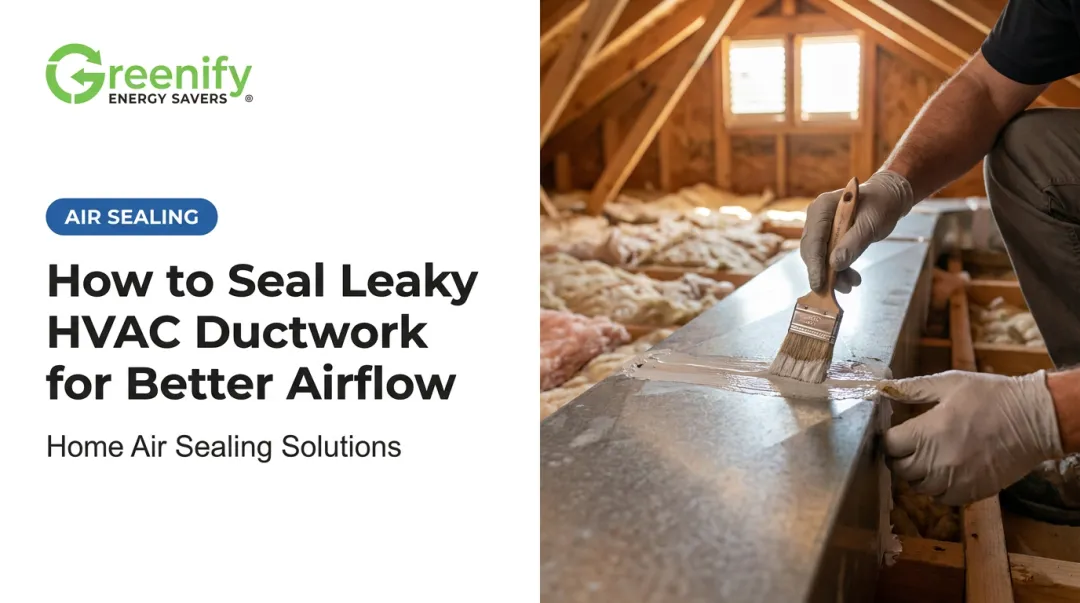
Ductwork Is a Bigger Problem Than Most People Realize
Here's a stat that surprises most homeowners: unsealed ductwork can account for 20-30% of conditioned air loss, according to ENERGY STAR. That's air you're paying to heat or cool, and it's escaping into your attic or crawlspace before it ever reaches a living space. A home energy audit can pinpoint exactly which duct boots and joints are leaking before you spend money sealing the wrong spots.
Many homeowners assume wall cavities and insulation type are the biggest culprits behind energy loss. Research points elsewhere: air barriers, not insulation, do the heavy lifting when it comes to stopping energy loss. A home can have excellent insulation and still bleed energy if the air barrier behind it is full of gaps.
Air Sealing vs. Insulation: Which Matters More?
Short answer: air sealing should come first.
Insulation slows heat transfer through materials. Air sealing blocks air from moving through gaps entirely. These are two different jobs, and confusing them is where a lot of homeowners waste money.
| Function | Air Sealing | Insulation |
|---|---|---|
| What it does | Blocks air movement through gaps | Resists heat transfer through materials |
| Stops drafts | Yes | Generally no (except dense spray foam) |
| Sequence | First | After sealing |
| Fixes uneven temps | Yes, directly | Only partially |
Insulation is like putting on a sweater, while air sealing is like zipping up your jacket first. A thick sweater with an open jacket still lets the wind through. According to HUD's guidance on insulation and air sealing, sealing air leaks before or during insulation work produces the best combined performance.

Skipping that sequence is a common mistake: adding attic insulation to a home that hasn't been air sealed. The insulation muffles heat transfer, but air still moves freely underneath or through it, undercutting the investment.
DIY vs. Professional Air Sealing: Which Route Should You Take?
Some fixes are genuinely simple. Others require equipment and expertise most homeowners don't have lying around the garage.
What You Can Handle Yourself
- Caulking around window and door frames
- Adding weatherstripping to doors
- Installing foam gaskets behind outlet and switch covers
- Sealing visible gaps around pipes under sinks
These are budget-friendly, low-risk projects. Grab a tube of caulk on a Saturday and knock them out.
When You Need a Professional
Hidden leaks are a different animal. Attic bypasses, duct leakage, and band joist gaps are hard to find without specialized tools. They're even harder to seal safely, especially near combustion appliances like furnaces and water heaters, where improper sealing can create backdraft risks.
A legitimate professional energy audit typically includes:
- Blower door testing to measure overall home air leakage
- Thermal imaging to pinpoint exactly where drafts originate
- Attic and insulation assessment to check R-values and ventilation
- Window and door inspection for common leak points
Greenify Energy Savers uses this exact framework for Utah homeowners, pairing blower door testing with thermal imaging to pinpoint where a home loses energy before recommending any air sealing or insulation work.
For ductwork specifically, the company also offers Aeroseal duct sealing. Aeroseal uses a proprietary, water-based sealant made primarily from a vinyl acetate polymer. The liquid is atomized into microscopic particles (4 to 10 microns) and blown through a temporarily pressurized duct system so particles stick only at leak edges, permanently bridging gaps up to 5/8 of an inch - including duct boot connections traditional methods often miss. Once cured, the seal stays rubbery, flexible, moisture-resistant, low-VOC certified, and completely inert.

If your home is older, you've never had an audit, or you suspect duct leakage, skip the guesswork and start with a proper assessment.
Frequently Asked Questions
What is air sealing?
Air sealing is the process of closing gaps, cracks, and holes in a home's building envelope to stop unwanted airflow. Common target areas include attics, basements, ductwork, and around windows and doors.
Is air sealing more important than insulation?
Air sealing is generally the more critical first step, since insulation alone doesn't block airflow through gaps. Both work together, but sealing should happen before or during insulation upgrades for best results.
How much does air sealing typically cost?
Most homes spend $300 to $1,500 on air sealing, depending on size and how many leaks need addressing. That's inexpensive compared to major renovations like roofing or HVAC replacement, and most projects pay back through reduced utility bills within a few years.
Can a house be sealed too tightly?
Yes. Over-sealing without proper ventilation planning can trap moisture and indoor pollutants, potentially causing air quality or mold issues. This is why professional assessments and mechanical ventilation matter for tightly sealed homes.
How do I know if my house needs air sealing?
Look for drafts near windows and outlets, uneven room temperatures, unusually high utility bills, and dirty or compressed attic insulation. Three or more of these signs usually point to significant air leakage.
How long does it take for air sealing to pay for itself?
Payback periods are often just a few years, given the relatively low upfront cost and immediate reduction in heating and cooling bills. Homes with severe leakage tend to see faster returns.